


LOW-VOLTAGE × HIGH-VOLTAGE BESS
Low voltage or high voltage?
Choosing grid-scale battery storage by scale, cost and lead time
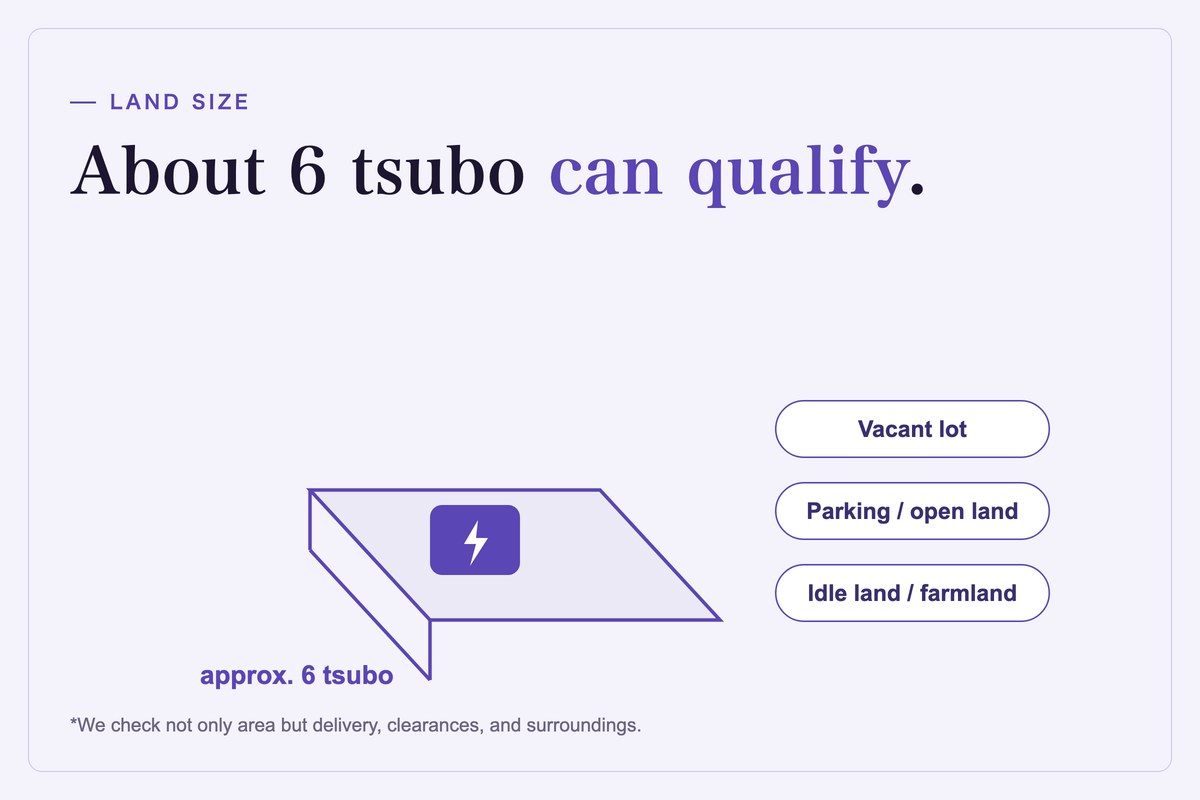
Grid-scale battery storage comes as low voltage (49.9kW), which can start from about 6 tsubo of land, or as MW-class high voltage, taken on at business scale. The land, funds and time needed differ greatly, so the first step is to sort out which one you should be considering.
Key points on this page
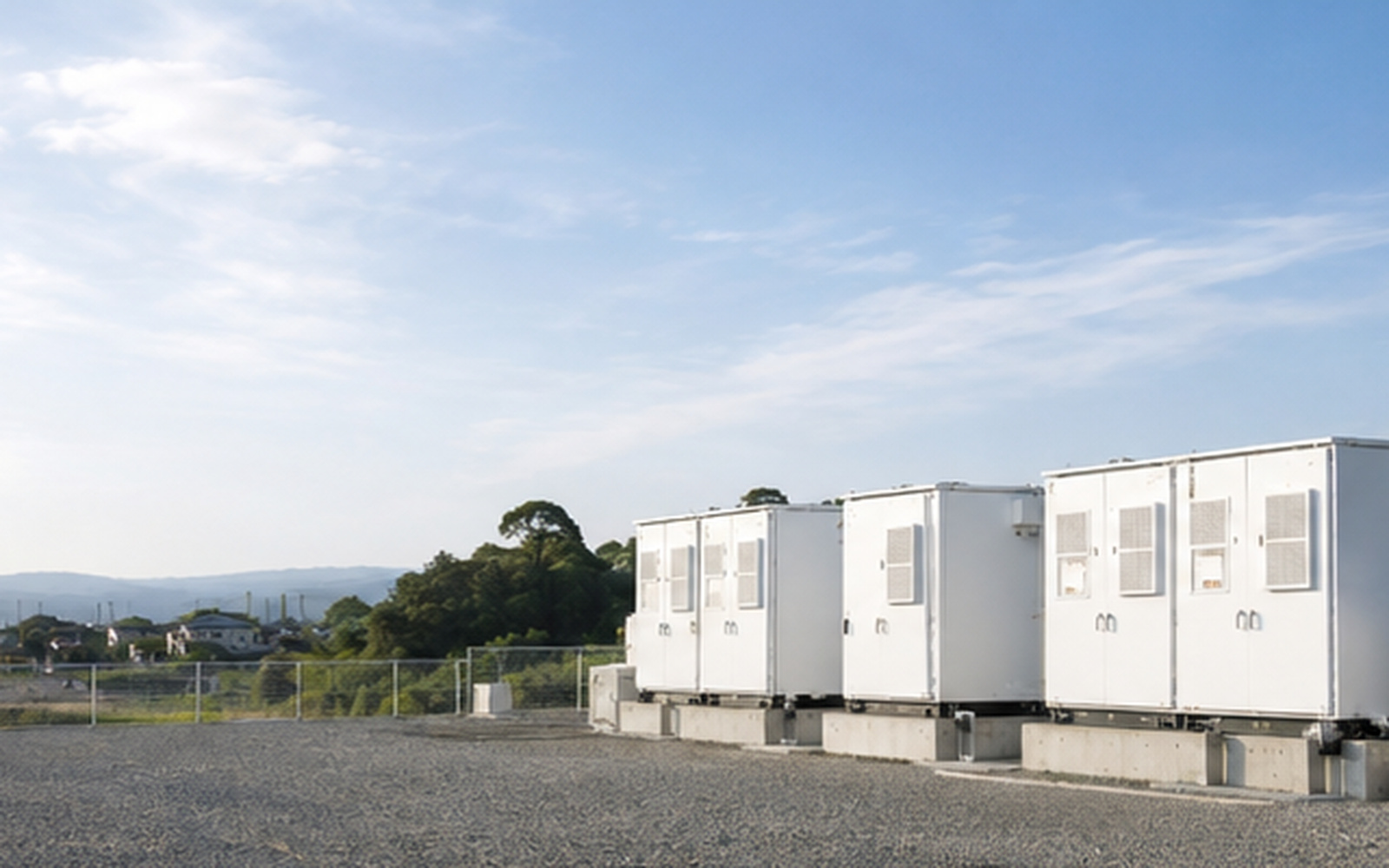
- Low voltage is 49.9kW. It can be considered from a sales price of JPY 15 million for the RENON 49.9kW/133kWh, or from an equipment cost of JPY 12.5 million (reference price) for the GoodWe 49.9 kW / 100 kWh Package.
- High voltage is MW-class. In an actual example, equipment and construction come to about JPY 520 million, plus grid rights and land, at business scale.
- A comparison table on 7 axes and a 30-second check show you which entry point fits.
QUICK DIAGNOSIS
30-second check: which of these is closest to you?
Pick the card that applies and it takes you to the right page
 LOW VOLTAGE
I want to lease land I am not using (from about 6 tsubo) for rental income
For landowners
 LOW VOLTAGE
I want to start investing in battery equipment from the JPY 10 million range
Low-voltage, for investors

I am considering an investment in the hundreds of millions of yen, or acquiring a completed project
High-voltage, for investors

I want to sell, or entrust, a battery storage site or project
Selling or entrusting land
COMPARISON
Low voltage and high voltage on 7 axes
Not which is better, but which fits your purpose and conditions
| Axis |
 Low-voltage BESS |
 High-voltage BESS |
|---|---|---|
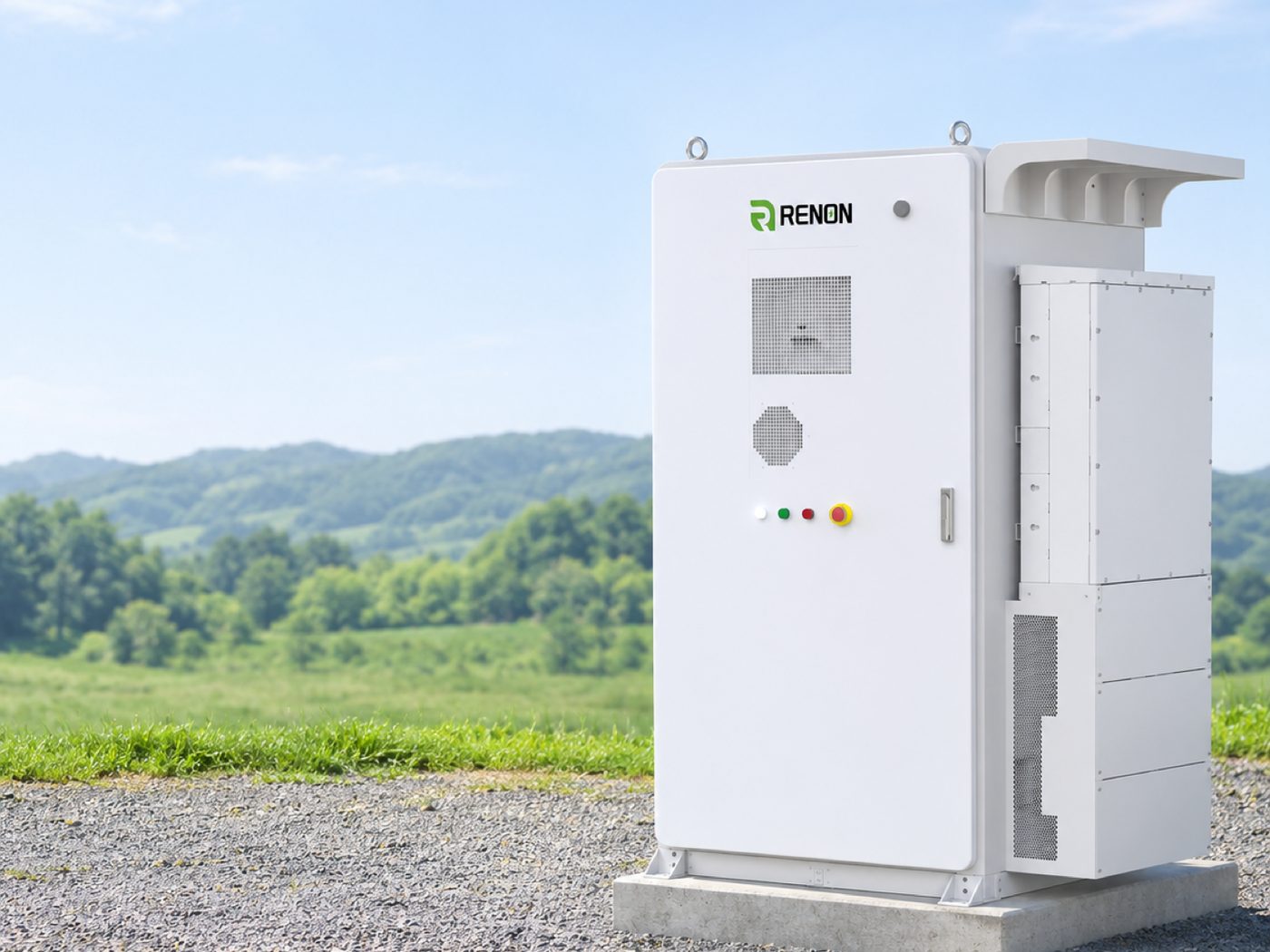
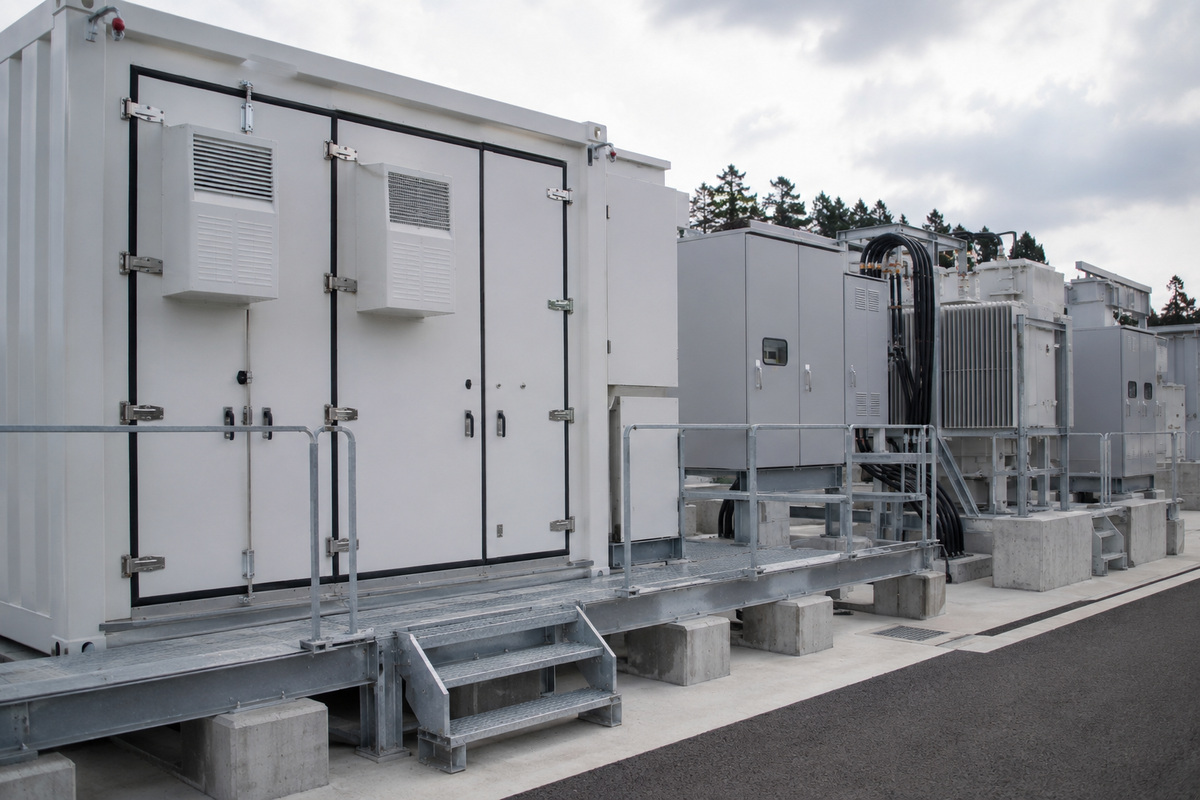
| System size | 49.9kW (RENON 133kWh / GoodWe 100kWh, per unit) | MW-class (e.g. 1,990kW / 8,320kWh) |
| Land needed | Can be considered from idle land of about 6 tsubo (for the GoodWe 49.9 kW / 100 kWh Package) | Depends on the project (a larger business site than low voltage is assumed) |
| Initial cost guide | RENON 49.9kW/133kWh from JPY 15 million / GoodWe 49.9 kW / 100 kWh Package from JPY 12.5 million (reference prices, land separate) | Actual example: equipment and construction about JPY 520 million, plus grid rights and land (total example about JPY 640 million) |
| Time to start of operation | Easier to start in a shorter time than high voltage (depends on land and grid conditions) | No standard period is given; the schedule is worked out once the project conditions are confirmed |
| Grid and market participation | Connected at low voltage. An aggregator bundles several units to take part in the power markets | Connected at high voltage. After the connection study with the utility, each project takes part in the power markets on its own |
| How to take part | Lease land (model: about 6 tsubo, JPY 30,000 a month, up to 15 years) / invest in the equipment | Invest or acquire a project / sell or entrust land or a project / develop jointly |
| Revenue guide and risk | Expected yield of the RENON 49.9kW/133kWh 18.29% (battery-only operation, 5-year warranty, pre-tax, our estimate; not guaranteed) | Actual estimate example 22.5% (subject to assumptions, not guaranteed) |
* All amounts, yields, rents and periods shown are examples or reference prices based on certain assumptions, and do not guarantee revenue or terms. They vary with land conditions, whether grid connection is possible, market prices, contract terms and more.
* For the assumptions behind the price and expected yield of the low-voltage RENON 49.9kW/133kWh, see the RENON page; for high voltage, see the Nippachi Simulator.
WHICH ONE FITS YOU
Which one suits you?
If in doubt, start with the side where more items apply
Low voltage suits you if
- You want to start small, from the JPY 10 million range
- You want to put idle land of about 6 tsubo or more to use
- You want to add units step by step

High voltage suits you if
- You want to invest at business scale
- You want to acquire a completed project or one under development
- You own a battery storage site or project
FAQ
Frequently asked questions
On choosing between low voltage and high voltage
Can I choose a scale between low voltage and high voltage?
What if I cannot decide which one?
How does lining up several low-voltage units differ from one high-voltage system?

Once you have chosen your entry point, move on to the next page
Still undecided? Tell us 3 things, the size of the land, your budget and the timing, and we will guide you individually.