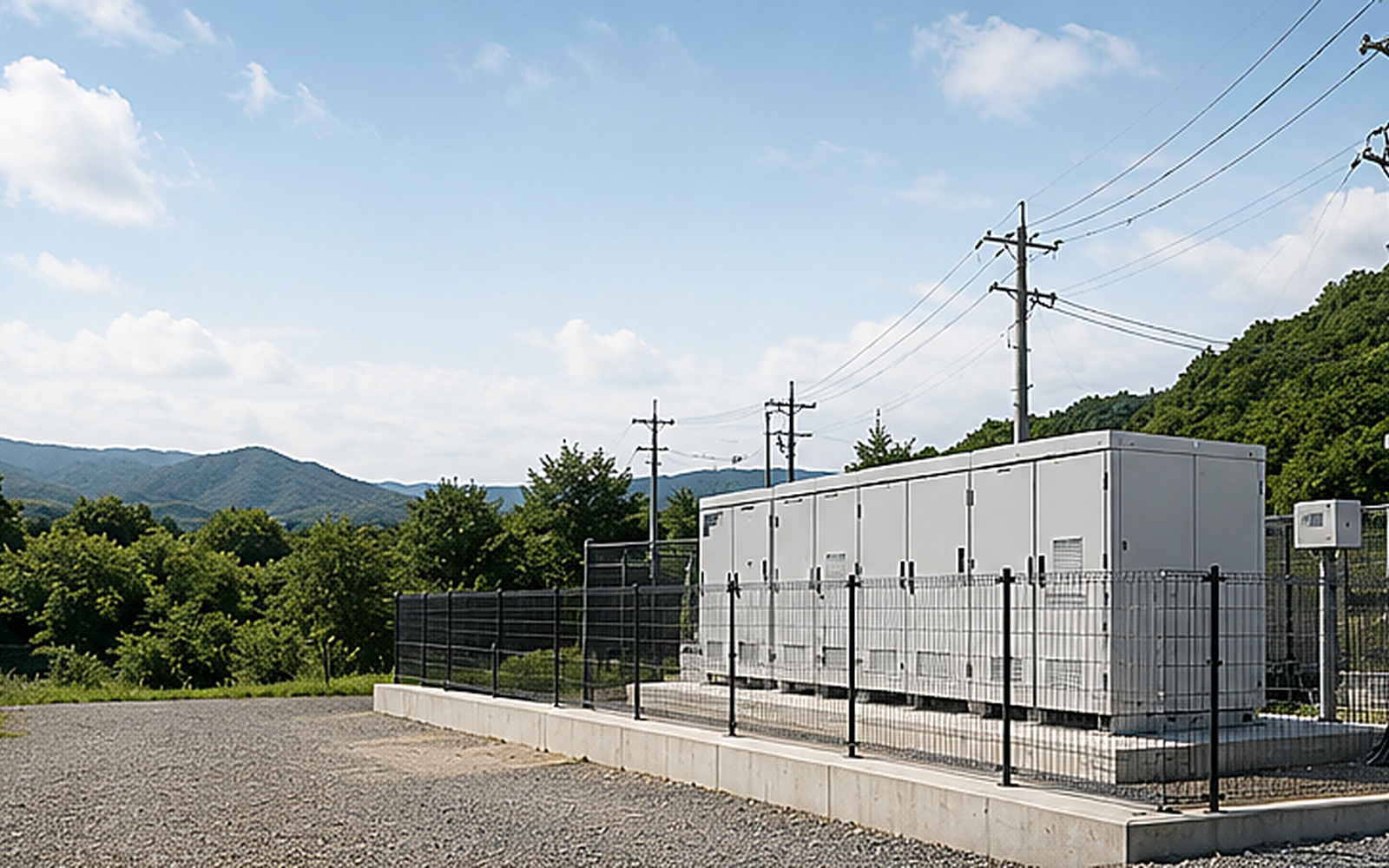
6 stages from study to operation
You can check consultation, estimate, contract, installation, connection and operation as one continuous process.

Creating success in grid-scale battery storage, together.
FOR INVESTORS & BUSINESS PARTNERS
Low-voltage BESS | For investors and business partners
We set out the viability estimate, contract, installation, grid connection and start of operation in 6 stages, and guide you clearly on “what to check and what to decide” at each stage.
* Whether installation is possible, the schedule and profitability differ with the site, grid, construction and market conditions.
You can check consultation, estimate, contract, installation, connection and operation as one continuous process.
At each stage, we make clear what we ask of you and the scope of our support.
Taking into account changes caused by the utility and the construction conditions, we share progress using an individual schedule.
BEFORE YOU START
What matters in an investment decision is not only the appeal of the equipment, but grasping the assumptions and the open items at an early stage.

01
We separate the initial consultation, the rough estimate, the site and grid check, and fixing the contract terms, and add decision inputs at each stage.
02
We do not state a fixed period for stages that include external factors, such as grid connection, permits, materials procurement and construction conditions.
03
Before the contract, we confirm market operation, equipment monitoring, maintenance and the contact structure for faults as a division of roles.
REVIX SUPPORT
We sort out the specialist information for each stage and move forward while putting it into a form that makes decisions easier for investors.
At an early stage, we check the investment purpose, business scheme, site, funding plan and operating policy.
We separate the assumptions for revenue, costs and operating conditions so that you can check the basis of the estimate and the factors that change it.
Based on the schedule for each project, we bring the information on design, construction and grid connection together in one place.
We sort out the contact points and the scope of responsibility for equipment monitoring, maintenance, operation reports and fault response.
6-STEP PROCESS
First get a sense of the 6 stages, then check the decisions and the documents needed at each stage.
About the timeline
The overall period changes with the site, the review and work by the general transmission and distribution operator, permits, materials procurement and construction conditions. After your consultation, we present an individual schedule based on the conditions we have been able to confirm.
STEP DETAILS
We organize each stage as a set of 3 points: What we ask of youREVIX supportCriteria for moving on.
STEP 01
Consultation and assumptions
STEP 02
Viability estimate and condition check
STEP 03
Checking and signing the contract terms
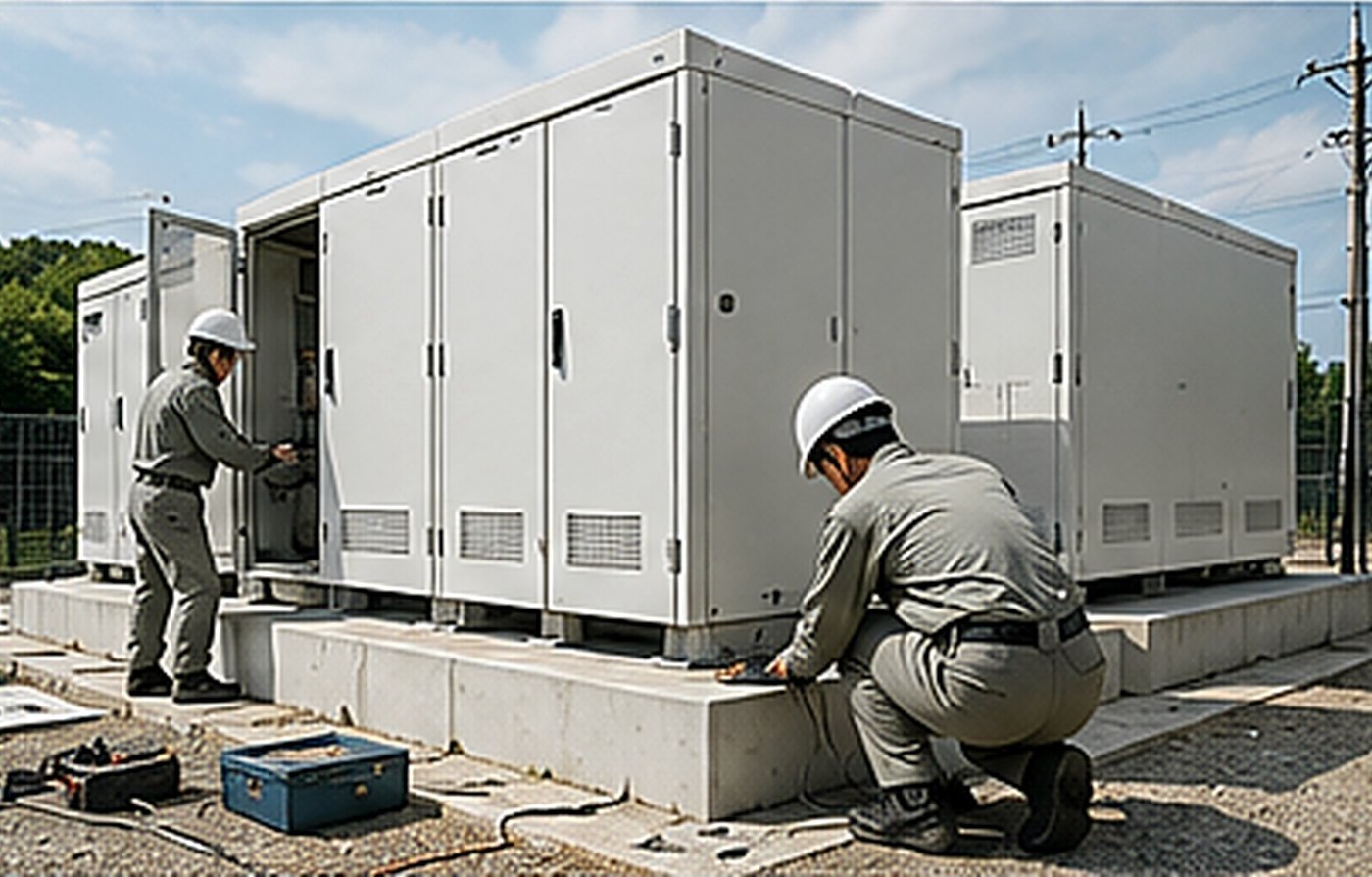
STEP 04
Design, procurement and installation
STEP 05
Grid connection and inspection
STEP 06
Start of operation, operation and maintenance
APPLICATION COST
We publish the process and the costs of the grid application (the connection application to the utility)
START WITH FEASIBILITY
It is fine even if you have not decided whether you have a site or what stage of study you are at. From your current conditions, we guide you on the items to check next.
DOCUMENT GUIDE
For the first consultation, the information you have to hand is enough. A checklist for each stage of the process is gathered on a dedicated page.
Document checklist by stageYou can see in a list, stage by stage, what to submit, when and why
See the documents page →DECISION GATES
It is important to check not only the size of the revenue but also the conditions for viability, the factors that change it and the scope of responsibility, as a set.
GATE 01
We check physical and legal conditions, such as the area, delivery access, foundations, the surrounding environment and the rights to the land.
GATE 02
We check the impact of external conditions, such as the connection procedures, the construction cost, inspections and the timing of grid connection.
GATE 03
We check separately the assumptions for expected sales, operating conditions, equipment, construction and maintenance costs, and the cost of capital.
GATE 04
We check monitoring, maintenance, faults, long-term shutdowns, contract changes and how things are handled at the end of the contract.
A revenue estimate does not guarantee future revenue.
Actual results may differ from the estimate due to market prices, regulations, operating status, equipment performance, downtime periods, costs, financing terms and other factors. Before the contract, please check the estimate conditions and the explanation of risks.
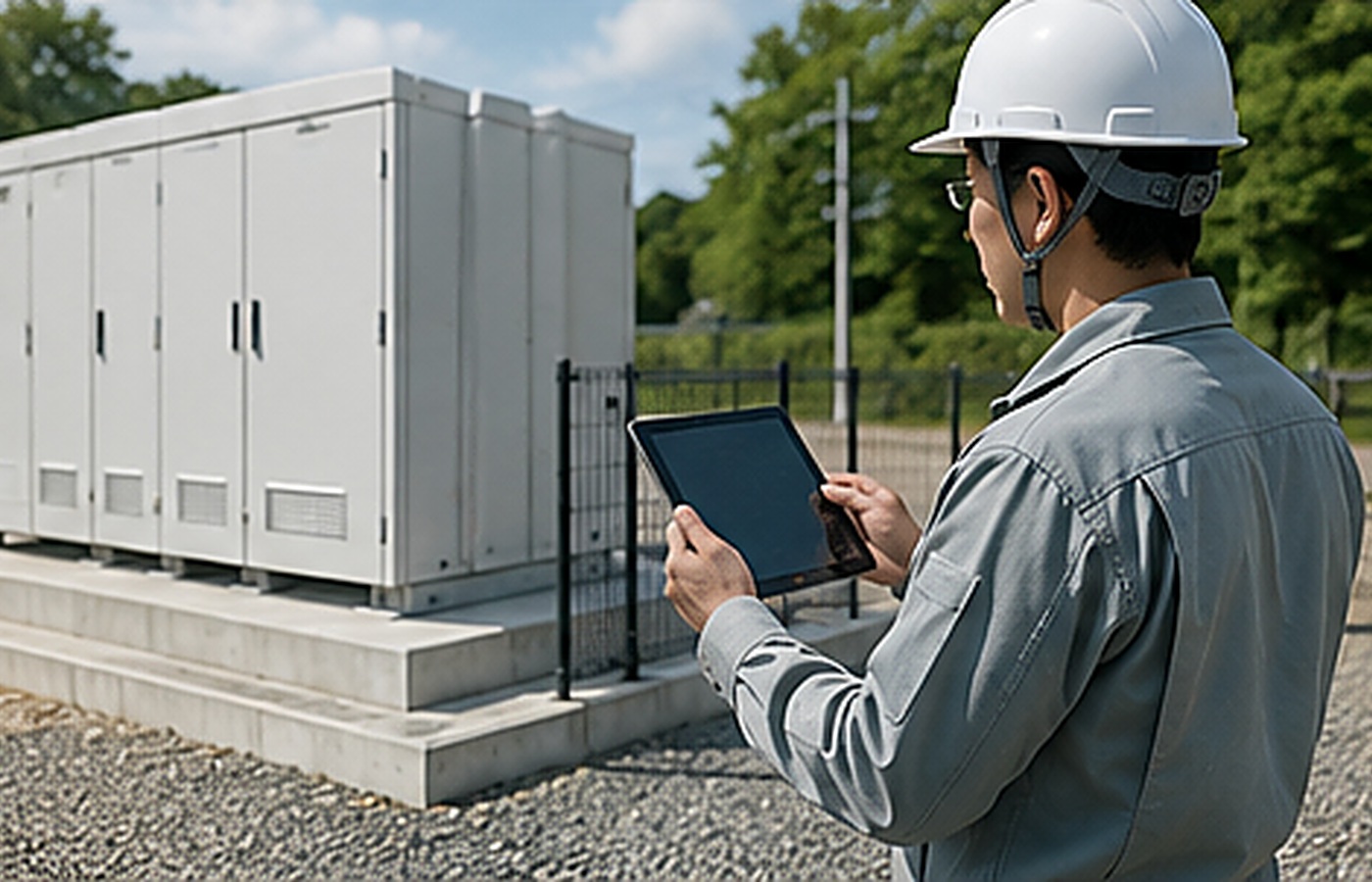
AFTER COMMISSIONING
After the start of operation, the business continues while information on the equipment, operation and income and expenses is checked, based on the structure set out in the contract.
We sort out the reporting items, their frequency and how to check them, according to the scope of the contract.
We confirm the contacts, the first response, and the roles in repair and recovery when something abnormal happens or the system stops.
We consider the response needed as the markets, regulations and the condition of the equipment change.
FAQ
You can consult us even if they are not fixed. We ask about what you know, such as the purpose of your study, whether you have a site and your assumed budget, and guide you on the items to check next.
We cannot set a uniform period. Because it changes with conditions such as the site, grid connection, permits, materials, construction and inspections, we present an individual schedule after checking the project conditions.
No, they are not guaranteed. Actual results vary with market prices, regulations, operating status, equipment performance, downtime, costs, financing terms and other factors. When you receive an estimate, please check the assumptions and the risks.
It differs with the contract details, such as consultation, survey, contract, and design and construction. The stages at which costs arise, the amounts and the payment terms are explained in the quotation and the contract before work starts.
Yes. The schedule may change due to the review by the general T&D operator, additional work, the content of its response, the timing of the work and other factors. Any changes that become clear are reflected in the schedule.
Changes may become necessary due to site, grid or construction conditions. We explain the reason for the change, its impact, any additional costs and the schedule, and confirm them following the procedures in the contract.
It depends on the operation and maintenance scheme adopted and the scope of the contract. Before the contract, we sort out the roles for monitoring, periodic inspections, fault response, reporting and cost sharing.
YOUR NEXT STEP
Tell us where you are now, such as “I want to know whether it works as an investment” or “I want to start by checking a candidate site.” We will guide you on the documents needed and the order of checks.
Depending on what you tell us, a representative will guide you on the items to check.