


HIGH-VOLTAGE BESS / PRODUCT
NEXTES
High-Voltage Battery Storage
Water-cooled containers and the maker's own battery control, set out as material for a long-term operating decision. We cover safety, service life, monitoring and maintenance in one place.
Product specifications, certifications, warranty and maintenance terms have to be confirmed for each project and contract.
PRODUCT OVERVIEW
Choose with the whole
long-term operation in view, not the equipment alone.
NEXTES is a battery storage system that combines container-type batteries for high-voltage, large-capacity use with control and monitoring technology built around the BMS.
When you compare products, the initial specifications are not the only thing to look at. We check how safety is verified, the control that keeps cell-to-cell variation down, the monitoring that reduces downtime, the maintenance setup and the conditions under which the warranty applies, and match all of it against your business plan.
See the published specifications and the items to check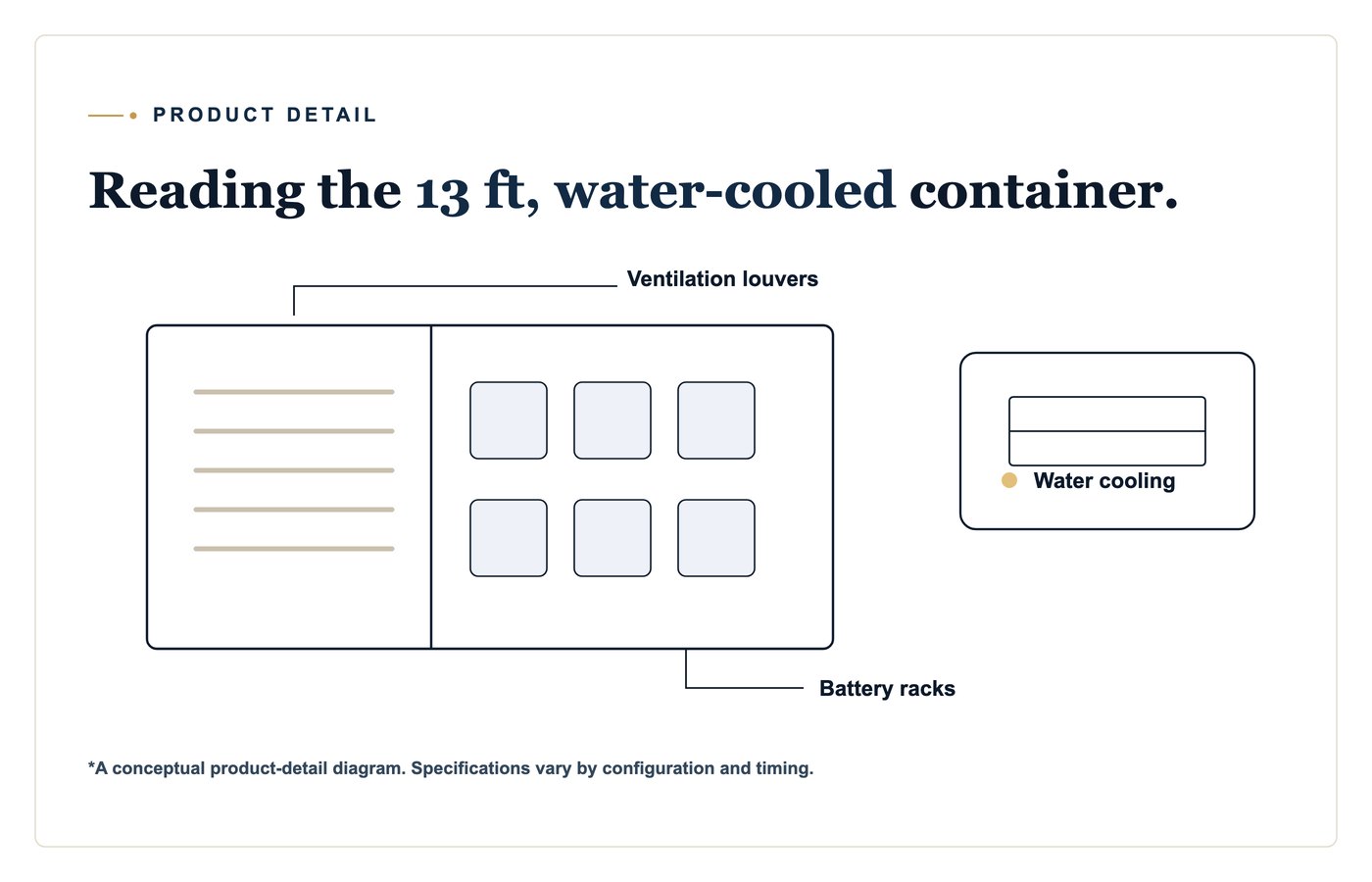
FIVE PERSPECTIVES
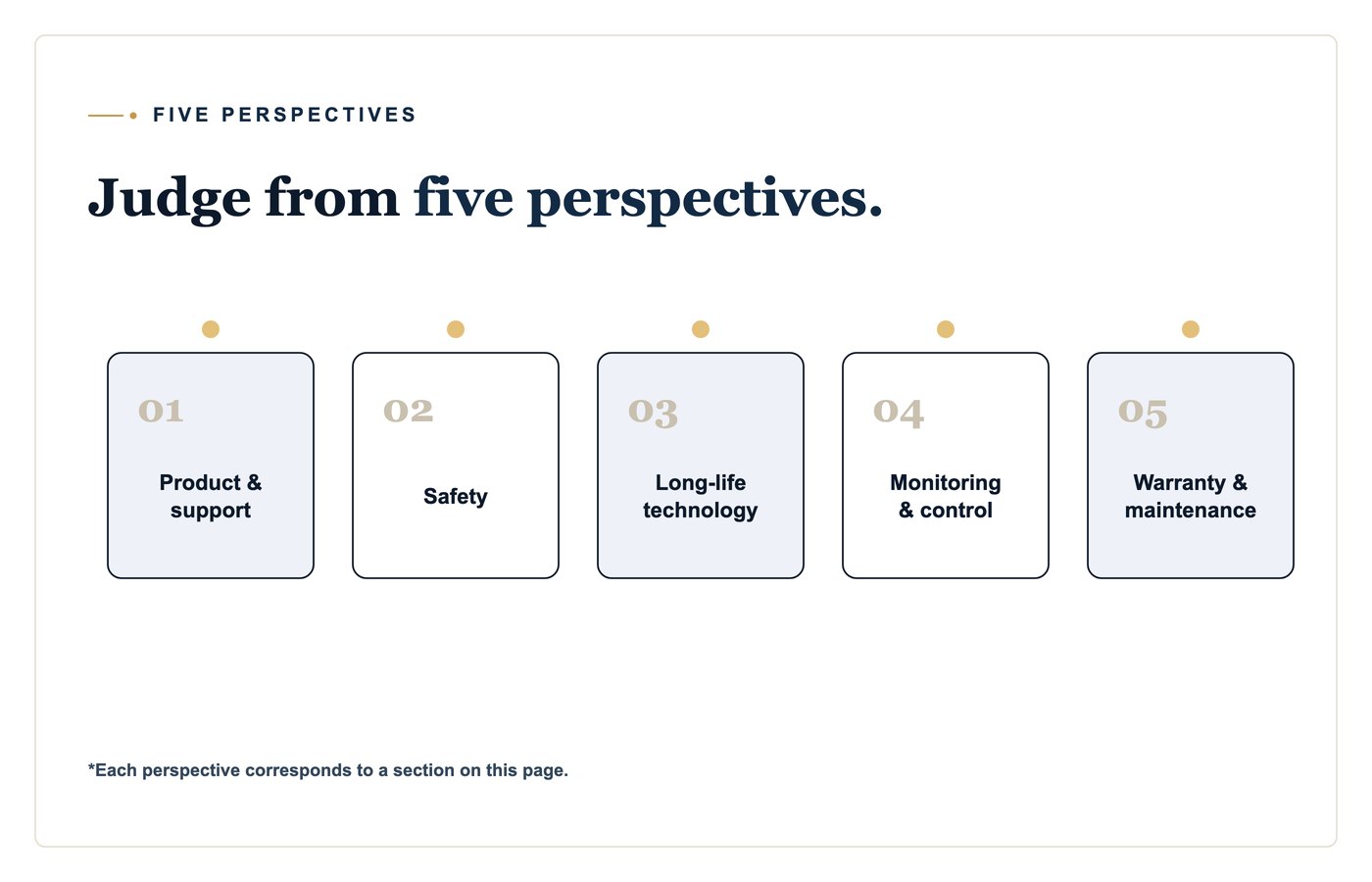
Judge the product from 5 perspectives.
Page 27 gives the overall picture, and each technical theme can be checked in detail on its own related page.
CONTROL ARCHITECTURE
Read the state of each cell,
and keep the whole system in order.
In a large battery storage system, small variations between cells and packs affect the usable capacity and the maintenance plan. NEXTES uses its BMS and balancing technology to track that state and support the operation of the system.
The actual monitored items, control scope, communication specifications and cybersecurity requirements are confirmed in the individual specification document.
OPERATION & MAINTENANCE
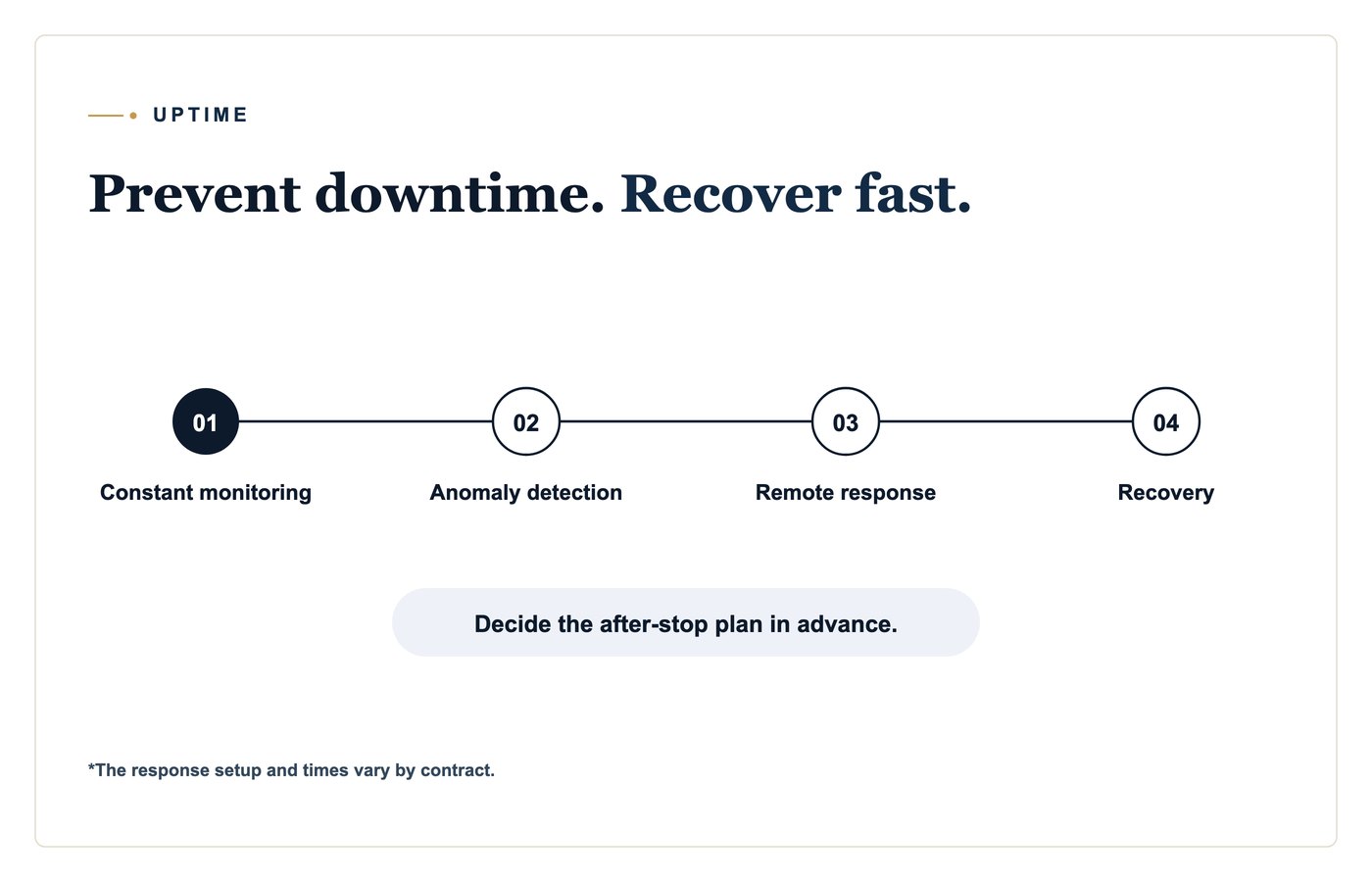
Monitoring so it does not stop.
A recovery plan for when it does.
Remote monitoring is not just about being able to see a screen. What matters is a clear division of responsibility covering who receives the alerts, first-line fault isolation, on-site response, parts replacement and the recovery decision.
- Scope of monitoring 24 hours a day, 365 days a year, and who is notified
- Conditions for first-line response and on-site dispatch
- Procurement, stock and recovery targets for replacement parts
- Division of responsibility with the PCS, EMS and aggregator
PUBLIC SPECIFICATIONS
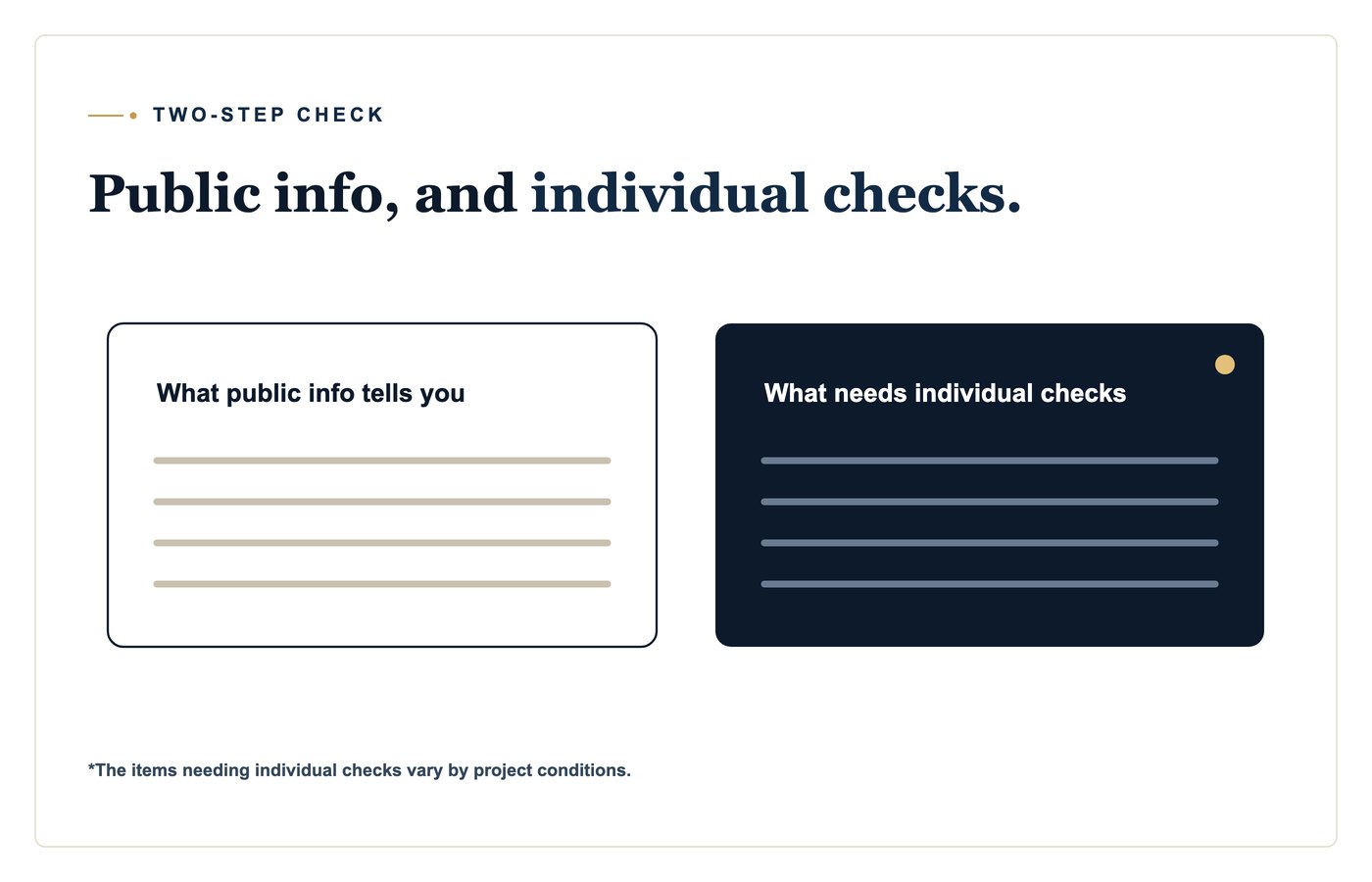
Published information, and the items that need individual confirmation.
The table below summarizes published information as a starting point for comparison. Capacity, output, PCS configuration and the like are confirmed against the conditions of each project.
| Item to check | Summary of published information | What we confirm at the consultation |
|---|---|---|
| Product type | Stationary battery storage system (2 types: container type CE007 and cabinet type CE009) | Grid-scale, co-located with renewables, behind-the-meter and other uses |
| Cooling method | Water cooling | Installation environment, temperature conditions, auxiliary power |
| Container | 13ft, doors on 2 sides, designed for installation in a linked row | Delivery route, foundation, clearances, maintenance access |
| Cabinet type (new product) | Small to mid-size cabinet type (CE009) that can also be installed on a narrow site | Site area, scale, conformity status (confirmed individually, as this is a new product) |
| Main technologies | BMS, balancing, remote monitoring and control | Monitoring granularity, communications, integration with upper-level systems |
| Safety and conformity | Published conformity assessment and certification information is available | Covered model types, certificates, fire department consultation, scope of application |
| Warranty and maintenance | Guidance is available on the assumption of long-term operation | Capacity conditions, exclusions, covered equipment, O&M contract |
* Compiled from the manufacturer's published information and supplied materials as of August 2026. Contract and design decisions require confirmation against the latest specification document and a formal quotation.
For the detailed specifications and configuration of the 2 types (container type CE007 and cabinet type CE009), see the specifications and configuration page, and for the maintenance setup, see the O&M and maintenance page.
BUSINESS VALUE
Put the technology into the language of a business decision.
Protect availability
By confirming the plan for monitoring, maintenance and parts replacement first, we reduce the uncertainty around downtime.
Read the long-term cost
Beyond the initial price, we compare capacity retention, auxiliary power, maintenance, replacement and warranty terms over the life of the business.
Align the responsibilities of everyone involved
We make the division of responsibility clear among the manufacturer, EPC, O&M, PCS, EMS and aggregator.
BEFORE CONSULTATION
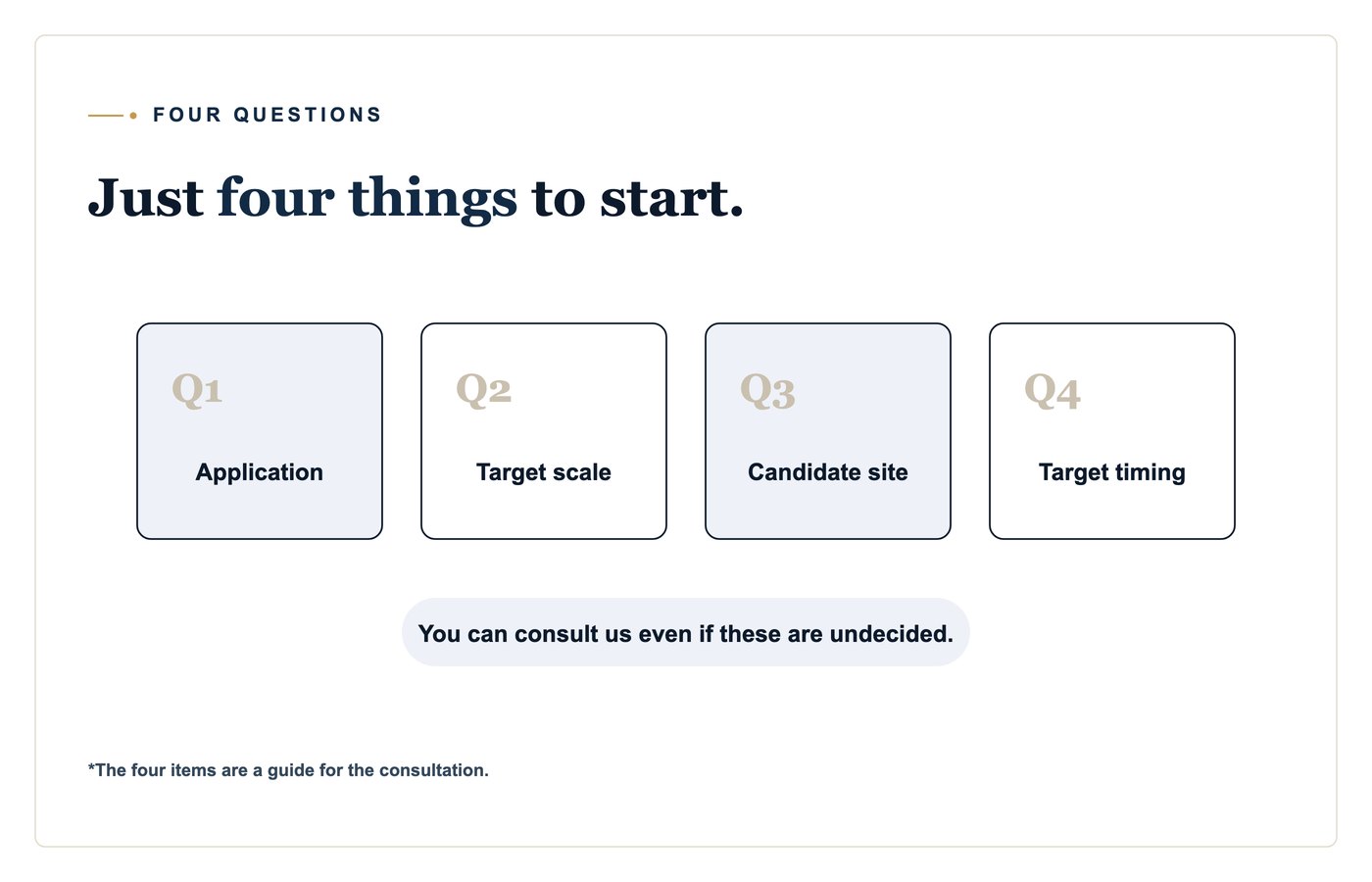
Before you consult us, tell us just 4 things.
-
01
Use
Grid-scale, co-located with renewables, behind-the-meter and so on
-
02
Target scale
A rough output and capacity, or your project budget
-
03
Candidate site
Location, area, delivery conditions, grid connection status
-
04
Target timing
Your stage of review and the target date for starting operation
FAQ
Frequently asked questions
QWhat kind of use is NEXTES battery storage for?
It is container-type battery storage intended for high-voltage, large-capacity use. We check the grid conditions, the site, the PCS and the operating plan, and decide the configuration for each project.
QHow can safety be verified?
Beyond the published information, we check the test and conformity assessment documents for the model type concerned, the design conditions, the fire department consultation and the division of responsibility. The scope of application of standards and certifications is confirmed individually.
QHow far do the warranty and maintenance go?
We confirm the warranty period, capacity conditions, covered equipment, exclusions, monitoring, on-site response, parts replacement and more before the contract. This page does not state a single, fixed warranty scope.
QCan I see product materials or individual specifications?
Once we have heard your use, target scale, candidate site and target date for starting operation, we will guide you to the product materials we can share and the items to check.
QHow long does it take until the business starts?
It depends on the conditions for grid connection, the site, permits, design, procurement and construction. We confirm the candidate site and the connection status, then map out the schedule.

PRODUCT DOCUMENT / CONSULTATION
We check with you the conditions
that the specifications alone do not show.
From reviewing the product materials and the fit with your candidate site to the business scheme and the warranty and maintenance terms, we guide you according to where your review stands now.